


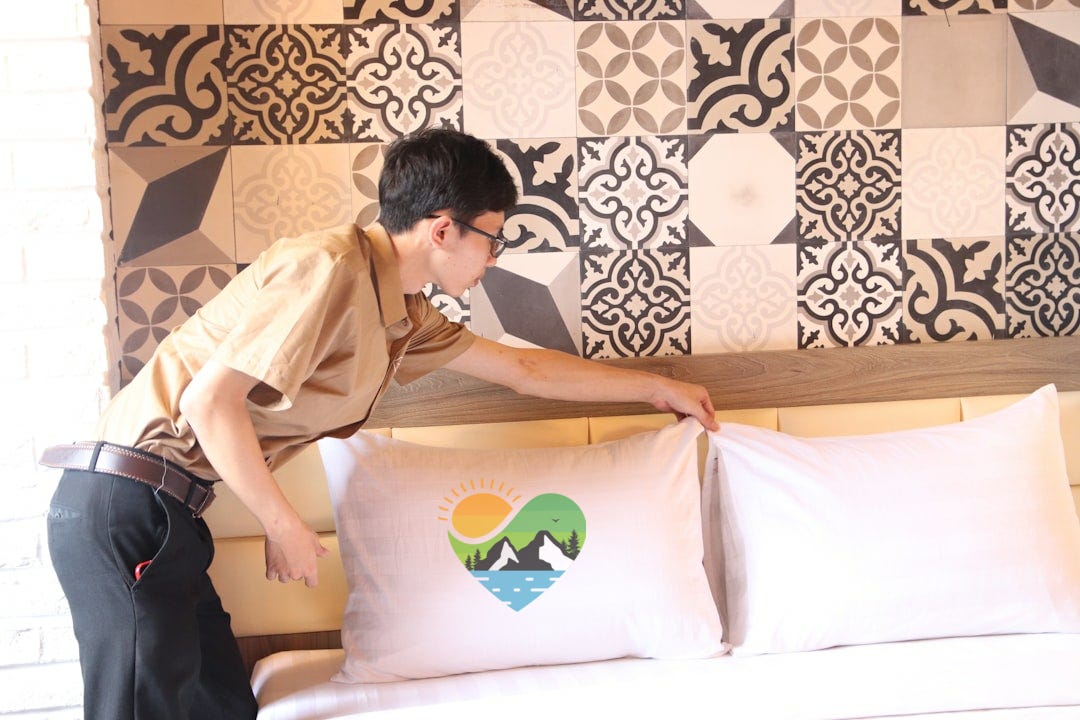
One of the little luxuries I enjoy when I’m travelling is daily housekeeping. I appreciate returning to my room at the end of a day, and finding my room has “magically” been refreshed. It’s not magic: it’s hard work that mostly happens behind the scenes, if all goes well.
Housekeeping changes how a hotel stay feels. At home, my space waits for me to deal with it. At a hotel, someone takes care of my space while I’m out exploring. That difference is, or used to be, what I’m enjoying and paying for.
The Post-Covid Reset That Never Reset
During Covid, most hotels suspended daily housekeeping. Understandably, because there were real health concerns, for guests and hotel staff. Social distancing and minimizing contact were the name of the game. We accepted that trade-off in exchange for being able to start travelling again.
After Covid, a lot of hotels raised their room rates faster than they brought back their services. Daily housekeeping became optional by default, available only by request. Fresh towels are discouraged through carefully worded cards and notices about “protecting the environment”.
I don’t change my towels every day at home. Living in Vancouver, I’m learning to become fluent in speaking “climate change”. Still, every “environmentally friendly” hotel initiative also produces a financial benefit for the hotel. Washing less towels is cheaper, no matter how good it may be for the environment.
When Green Programs Become Cost-Cutting Programs
Providing re-usable coffee mugs would also be environmentally friendly, yet most hotels still stick with disposable paper cups, which creates less work. Similarly, washing less towels and bedsheets also means less work. Those savings can be the right thing to do and also better for the environment, but they are still financial savings too, which I don’t necessarily see reflected in my room rate.1
Are we using environmental language to make a reduced service level sound like a good idea? We may be heading for “ultra basic” hotel fares similar to airlines, while removing all the little luxuries that make staying at a hotel fun.
Housekeeping is easy to overlook when it works. You leave, and by the time you return to your room everything has magically been reset. When hotels try to optimize to the point of reducing those human touches, we may have missed the mark completely. I’ve said it before: Service is a mindset, not a department.
Hospitality Should Happen on the Guest’s Schedule
I prefer to stay at hotels that take housekeeping serious. Some places even allow me to select a preferred time for my housekeeping. Their message is simple: “vacation should run on your schedule, not ours”. That’s next-level, but feels like actual hospitality.
During a recent stay, I returned to my room at 4:30 in the afternoon and still saw the “please make up room” tag hanging on the door. I had been out for the day and was looking forward to coming back to a clean room. Instead, everything was exactly as I had left it. The hotel seemed to have forgotten about the hospitality experience it was supposed to be providing.
I like tipping housekeeping on stays longer than a single night. But that daily tip is also part of an unspoken agreement: I don’t expect perfection, but I do expect the service to be completed within a reasonable part of the day, preferably before I come back.
Another Room That Wasn’t Ready
While I was being irritated about my uncleaned room, I went to the pool and ended up chatting with another guest. They had arrived at the hotel around 2pm that afternoon. As this was before the regular check-in time, they were told their room wasn’t ready and were invited to spend some time at the pool. No issues so far.
At 5:45pm, they finally received the call their room was ready. This was no longer an early checkin or even an on-time checkin. The hotel was simply late.
I’m not naming any names, but this particular hotel has existed for roughly a century. It has history and character many newer hotels can only be jealous of. Unfortunately, age and reputation don’t compensate for a lack of care by the staff managing the place.
Get Into Action
When I’m travelling I’m not just looking to book a room, I’m looking to feeling welcomed. That moment usually happens when you open the door and notice the view is better than expected, the room is bigger than what you paid for, and there’s a handwritten note waiting for you, and maybe a welcome cocktail or two - on the house, of course. As I said before, it’s about genuinely attentive service at a beautiful place somewhere far from home.
This is the style of travel I explore and teach in my Travel Revolution travel hacking course. If you’re ready to dive in, please preview the course information below. I’d love to have you on board.
Further reading


Ever since the COVID pandemic, which is barely behind us, Canadian hotel rates have surged, making domestic travel increasingly expensive. Staying closer to home may not always be the answer. It can actually be cheaper to travel internationally—even to the U.S.—than to stay within Canada. Full story here.