


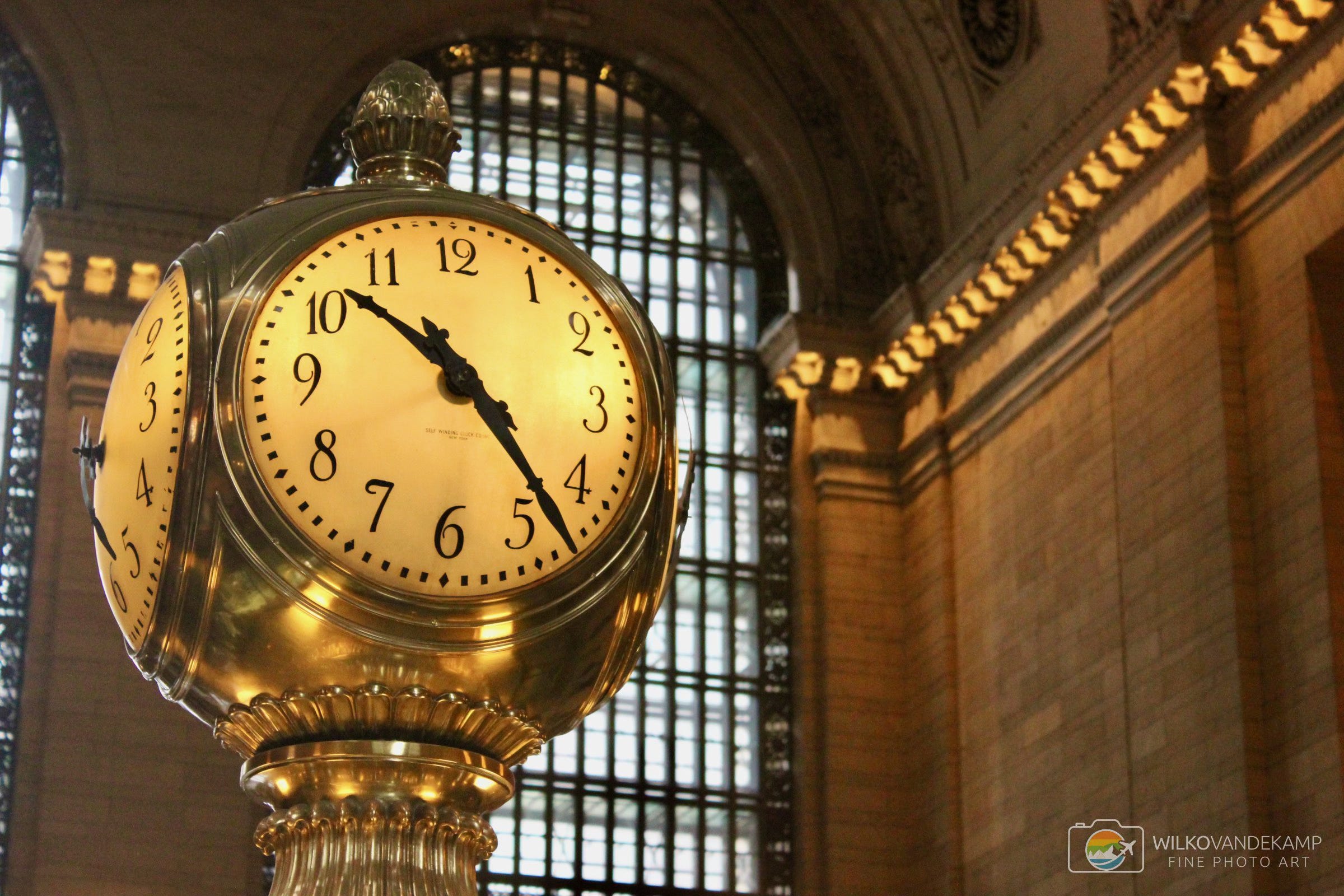
Every spring and fall we go through the same ritual. Phones update automagically overnight, the microwave shows the wrong time, and everyone spends a day feeling slightly off. The good news? This year might have been the last time.
Last weekend, British Columbia moved its clocks forward with the intention of never changing them back again. It’s summertime forever, despite the rain. If the new policy holds, the province will stay on daylight saving time permanently.
Time zones shape how the world moves. Flights, business schedules, cross-border meetings, and even how jet lag feels are all (side) effects of these invisible lines. And BC just decided to redraw one of those lines.
A decision that was years in the making
The idea of ending clock changes in BC isn’t new; we’ve talked about it for years. The legislation enabling the change was already passed back in 2019, but the plan to move to permanent daylight saving time was never put in effect.
The question was “who goes first”. Cities like Vancouver are tightly connected to places like Seattle, San Francisco and Los Angeles through trade, tourism, and daily flights connecting us all. The province wanted to make the permanent time change together with the U.S. west coast.
So we waited, for each other. If Washington, Oregon, and California all switched to permanent daylight saving time as well, the entire Pacific region would stay synchronized. U.S. states can support the idea, but changing daylight saving time ultimately requires federal approval in Washington, and that process stalled.
So BC finally decided to pull the plug and move forward anyway.
The strange travel side effect
If BC stays on permanent daylight saving time while the U.S. continues switching clocks, Vancouver will be one hour ahead of the U.S. west coast for about four months every winter. Noon in Vancouver would be 11am in Seattle and LA. That’s odd. When you cross the US-Canada geographic border, it’ll be like stepping into a temporary time zone where the clocks drift apart seasonally.
Airlines schedule flights months in advance, and they prefer entire regions to operate on synchronized clocks, following fixed time zones. When one jurisdiction shifts independently, it adds complexity. Imagine a typical winter flight between Vancouver and Seattle: you might depart Vancouver at 9:00 in the morning and arrive in Seattle before 8:50. Mathematically correct, but slightly confusing. It almost feels like time travel.
Still, this is nothing new and aviation has adapted to stranger time quirks before. Similar things happen when travelling short distances in Europe: flights from Amsterdam to London take about an hour and there’s a one-hour time difference. Which means you land the same time as you depart.
The Canadian experiment
Even the experiment to abandon seasonal time changes isn’t new, and British Columbia is not entirely alone in this experiment. The Yukon already switched to permanent daylight saving time in 2020. Residents there now live with extremely late winter sunrises, sometimes well after 10:00 AM.
Most people adjusted without much trouble. If BC sticks with this policy, Canada will effectively have created a small Pacific region that stays on summer time year-round. That might eventually nudge other jurisdictions to reconsider their own clock changes.
The global conversation about time
Meanwhile, the debate over daylight saving time is happening all over the world. Similar to BC, the European Union also voted to forget about seasonal clock changes several years ago. Implementation stalled when member states couldn’t agree whether to adopt permanent standard time or permanent daylight saving time.
For travellers this would be a welcome simplification. The twice-a-year clock shuffle creates small disruptions everywhere. Flight schedules change. Meeting times shift. Our internal clocks struggle for a few days. It’s not dramatic, but it’s a reminder that time zones are human inventions layered on top of a rotating planet.
The real test will be winter
The biggest criticism of permanent daylight saving time is simple: winter mornings get very dark. In Vancouver the sun could rise close to 9 AM in January, which means most people will start their workday before sunrise. But, we’d have lighter evenings allowing for more activities after work. Supporters argue that those brighter evenings matter more to people. Critics worry about darker mornings affecting sleep patterns and commutes.
Like most public policy experiments, the real answer will come from lived experience. If there’s one thing the travel industry has proven over the years, it’s that it adapts quickly. More importantly: Travellers have become surprisingly good at adjusting to the quirks of global time.
The BC decision might quietly start a broader global shift.
Get Into Action
Travel has a funny way of revealing how arbitrary many of our daily systems really are. Time zones, borders, currencies, and even social norms start to look different once you move through them often enough.
That perspective is exactly what inspired my book The Freedom Project: Travel. It’s about using travel not just as an escape, but as a way to rethink the structures we take for granted.
If this story about clocks, borders, and global movement resonates with you, the book is a good place to start exploring how travel can reshape the way you see the world.


