


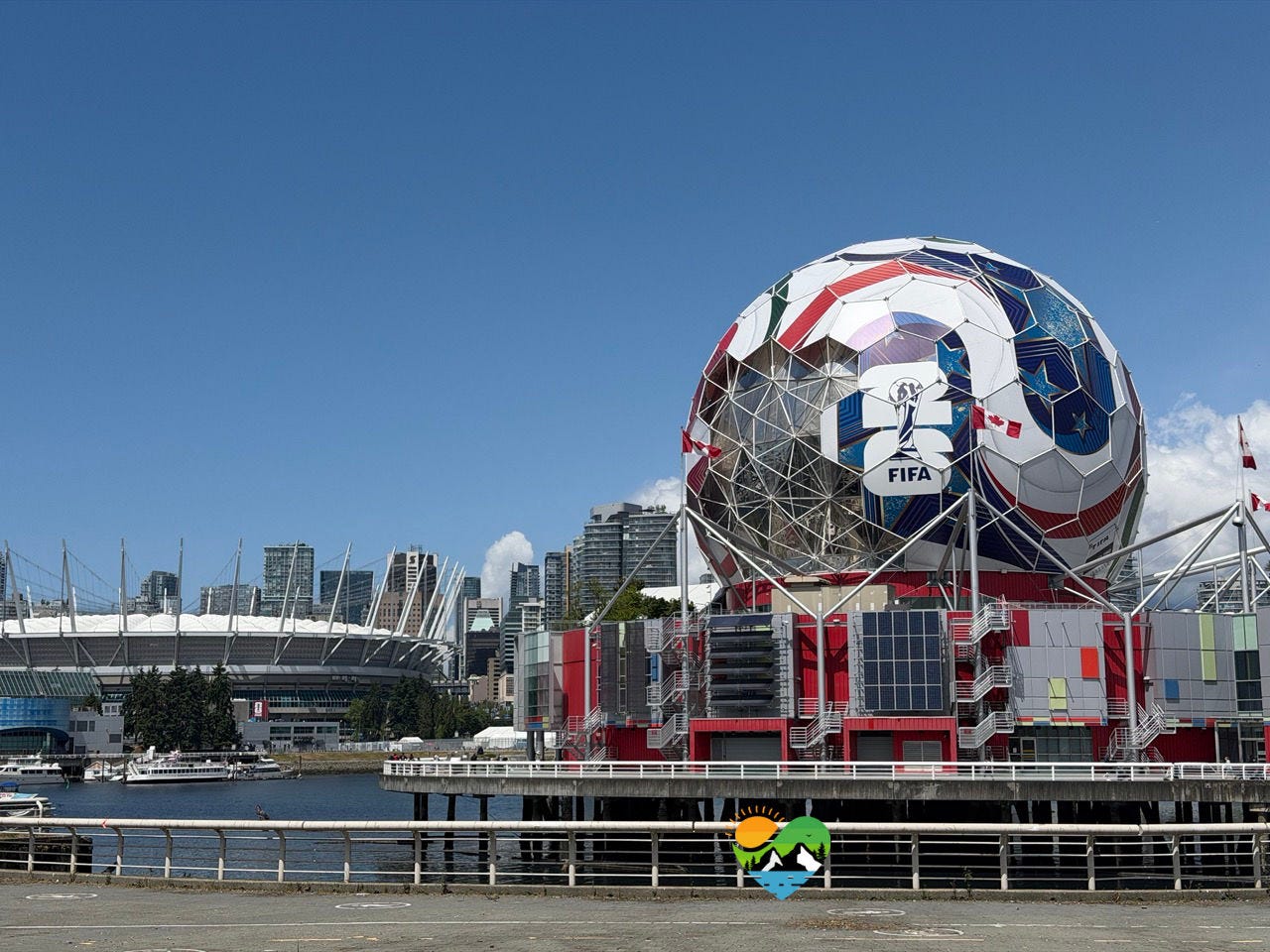
I may be the only Dutch person alive who doesn’t care about soccer. Somewhere, a distant relative I don’t know is probably shaking their head into a plate of bitterballen. I live in Canada for a reason, I suppose.
So when FIFA announced Vancouver as one of the host cities for the 2026 World Cup, I didn’t exactly run into the street waving an orange flag. I also didn’t immediately become one of those people who complains about every big event that comes to town. Vancouver has hosted large events before. Some of them even leave behind something useful besides traffic cones, security fencing, and a temporary shortage of patience amongst local residents.
Big events can be good for a city. They can bring attention, investment, visitors, and a certain amount of civic cleanup that somehow only becomes possible when the world is watching. Funny how that works. A homeless camp that exposed a city’s deeper issues yesterday can become an image-management emergency tomorrow, once an international television crew might accidentally film it.
Calgary Said No, and I’m Still Not Sure They Were Right
Cities sometimes underestimate the value of being seen. A few years ago, Calgary decided not to pursue hosting the Winter Olympics. Cost was the main concern, and obviously that concern was not imaginary. The city had every right to look at the price tag and wonder whether the whole thing was worth it.
I do wonder if Calgary may have missed out on something though. Yes, Olympic budgets can become financial sinkholes with (st)rings attached. But a major international event also puts a city in front of people who may never have heard about it before.
In case we forgot, Calgary, of course, has hosted the Olympics before. The 1988 Winter Games put the city on the international map in a way people still talk about today. So when they opted not to pursue hosting again, I wondered whether they were underestimating the long return of investment an event like that can bring.

Then There’s FIFA
Personally, I prefer to live somewhere a little more ambitious, so I moved to Vancouver. (I write that with huge wink, a lot of affection, and also from a safe distance.) Now Vancouver gets FIFA, and I’m still not happy.
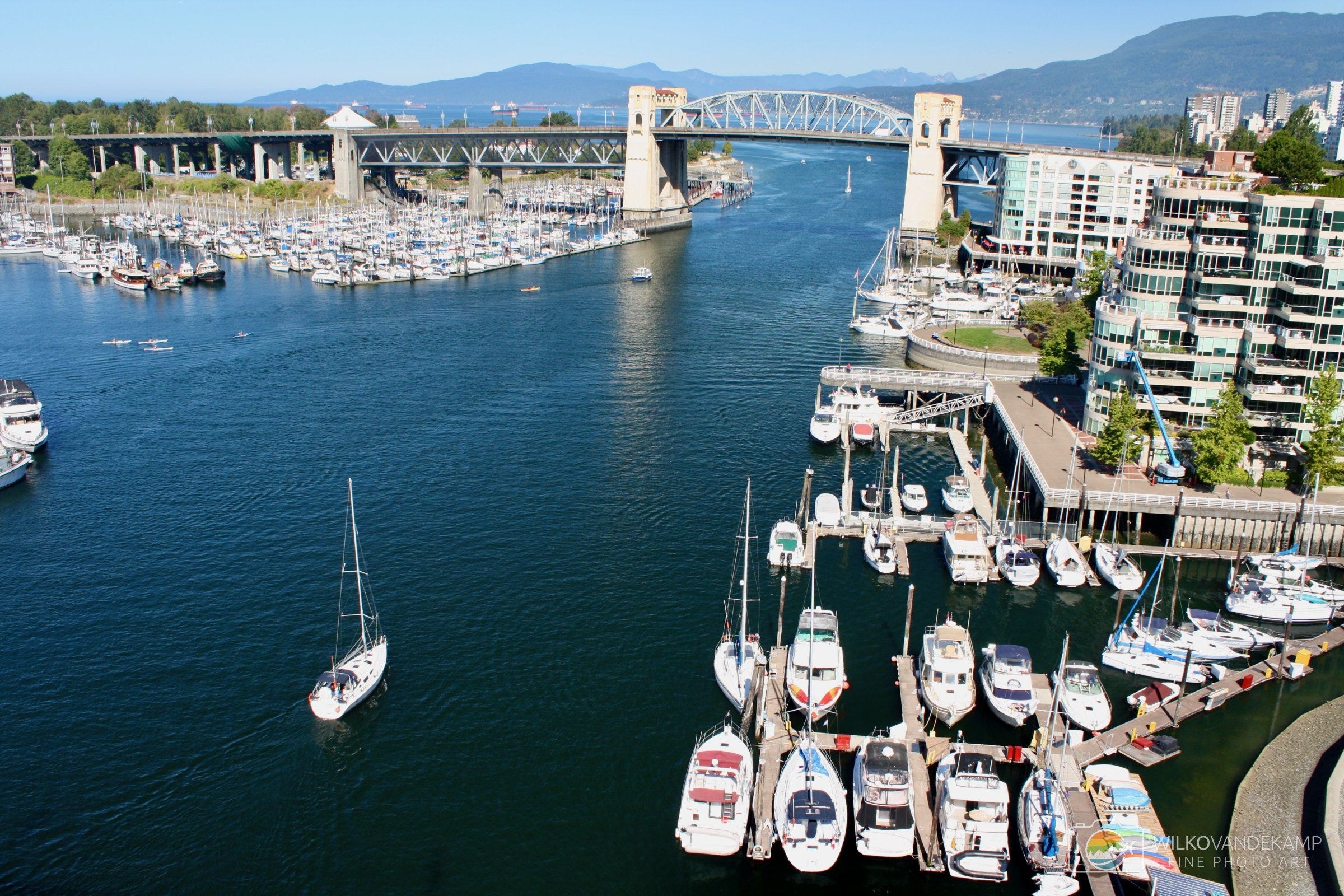
Yes, Vancouver looks very good on Instagram: mountains, ocean, glass towers, floatplanes, seawall, overpriced coffee served with the silent expectation of an 18% “customary” tip (just to remind the tourists). If you’re selling Canada to the world, Vancouver is not a terrible cover picture.'
But even for people who actually love soccer (not me), the event feels less like a public celebration and more like a luxury product that happens to involve sports. I’ve seen local ads from people trying to sell their tickets at face value. Most of these ads sound less like excited fans who had a change of plans and more like hopeful speculators who bought early, expected a quick flip, and are now discovering that “everyone wants to go” is not the same as “everyone can afford to go.”
The Speculation Game
In addition to the exorbitant cost of the ticket to begin with, the speculation is the part that bothers me. People are actively trying to offload tickets at face value, which suggests their gamble is not be paying off. I somehow hope they’ll enjoy watching the game themselves, with a $30 watery beer as a consolation prize.
There’s a certain dark humour in watching people buy up access to something they don’t personally care about, hoping someone else will care more later, only to discover the “someone else” is also looking at hotel prices, flight prices, food prices, and the general cost of existing in Vancouver, and quietly deciding to stay home. Somehow this isn’t a sporting event anymore - everyone is just trying to make money.
Spending Money on “Experiences”
When tickets climb into a price range where even locals shrug and stay home, the event starts to feel detached from the place hosting it or the “sport” associated with it. At this point, Vancouver isn’t the host so much as the backdrop. The city becomes scenery for a travelling global money machine.1
Yes, I understand nobody is forcing anyone to buy a ticket. If someone wants to spend a mortgage payment watching a ball cross a line, that is their choice. People spend money on all sorts of things I don’t understand. I ride a Harley-Davidson, so I’m not exactly throwing stones from a financially spotless glass house. (Mine just has chrome and makes more noise.)
Unsolicited financial advice aside, there’s still something off about a global sports event that depends on local enthusiasm while pricing out many of the true fans, whether local or not.
Big Events Matter
I like cities (and people) that take action and do real things. I like movement, visitors, energy, and the sense that a place is connected to the wider world. Travel has taught me that cities are living systems that need new people, new money, new stories, and occasionally a reason to repaint things that should have been repainted six years ago.
FIFA may bring real benefits to Vancouver. It may give local businesses a strong season. It may introduce travellers to British Columbia who come back later with more time and less face paint. It may create memories for people who genuinely love the sport. For them, this is a big deal, and I don’t want to take that away.
But I do think we should be honest about who gets to participate. A citywide event that many residents experience mostly as higher prices, closed streets, crowded transit, and impossible tickets is not quite a celebration.
Get Into Action: My Game-Day Plan
As for me, I may go for a long run or take my motorcycle out of town on game days. Assuming, of course, that getting out of the city is easier than getting in. That may be optimistic. Traffic in the Lower Mainland has a way of humbling even the most carefully planned escape.
But the next time a major event comes to your city, try looking past the headline excitement and ask a few questions: Who benefits? Who pays? Who gets priced out? What stays behind after the visitors leave? And most importantly, does the event help you experience your own city more fully, or does it make your home feel temporarily unavailable?
That same question applies to travel in general. A trip is not automatically meaningful because it is expensive, famous, or hard to book, even when Instagram influencers suggest otherwise. Often, the better experience is the quieter trip you actually picked for yourself. 2
Travel safe.
Looking for FIFA tickets?
Before buying from scalpers, speculators, or random resale listings that smell faintly of bad decisions, check your legitimate options first. If you have FoundersCard, look at your member benefits and ticket options there. If you’re going to spend that kind of money anyway, at least aim for the best possible experience instead of a quick-profit gamble from someone else’s shopping cart.
Further reading


There are reports of unusually high World Cup ticket prices and even formal scrutiny in the United States around FIFA’s ticketing practices, including concerns about dynamic pricing and inflated costs. FIFA has also promoted some lower-cost tickets, but the wider backlash suggests that affordability is not just one grumpy Dutch-Canadian’s problem.
That is the kind of travel I explore in my book The Freedom Project: Travel: travel as a way to see more clearly, choose better, and remember that the best seat is not always the most expensive one.